Riding Mood Cycles
What Surfing Taught Me About Bipolar 2
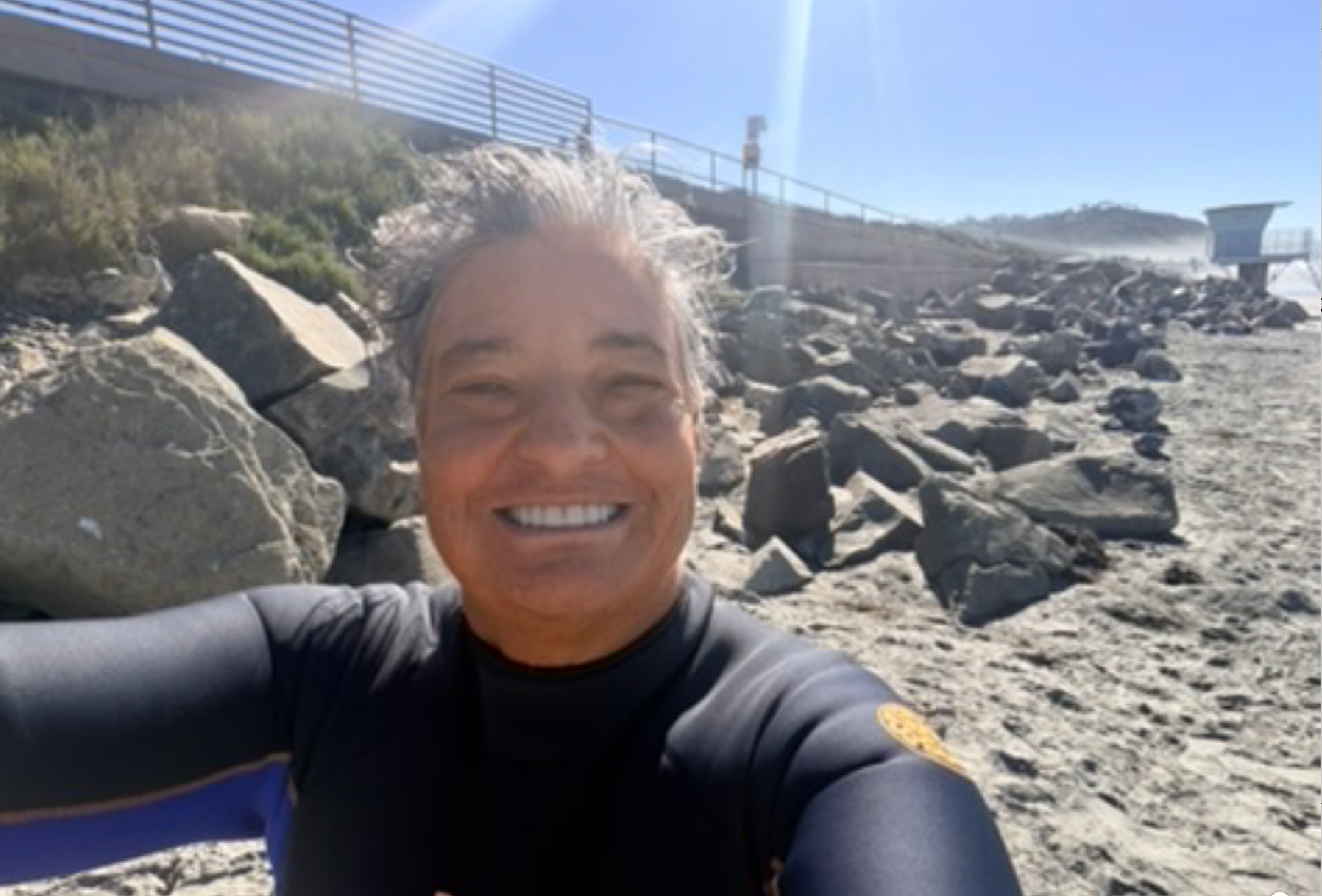
I thought with enough trauma therapy I could be rid of the high and low waves of emotion that I ride most of the time. That I could go off medication. Surely, I could, right? I thought my moods fluctuated as a direct mirror to my nervous system. That I could learn how to regulate with box-breathing, meditation, writing, nature walks, somatic scanning, EMDR, Ketamine, Neurofeedback, diet, you name it.
All of that trauma work helped. In so many ways.
But I was wrong. It’s not that simple.
There is more to bipolar disorder than trauma.
The heaviness that no one sees.
Bipolar 2 is biological, it is a disorder of rhythm—sleep, energy, mood, and circadian timing. It involves other systems. The Parietal lobe, the limbic system, mitochrondria. It’s complicated. The research is inconclusive.
The dominant mood in bipolar II is depression, alternating with hypomania and periods of “normalcy” . Persons with bipolar 2 spend up to 50 percent of their life depressed. Not just any depression, but a severe, depression that affects their outlook on life, diminishing it. It’s not worth it, they think. All of this pain, with no explanation. The 5-6 % of time spent in hypomania gives them some relief, often enough to want to keep going. At least in my case.
Unlike Major depressive Disorder (MDD), depressive episodes can come out of nowhere. It is the same with hypomanic episodes. My energy can change in an instant.
Since my illness, my depression has been heavy, severe, like a bottomless pit. My highs seem to be fewer and farther between. This year has taken its toll.
The Body Keeps the Score
My body often knows before my mind. Bipolar depression doesn’t arrive as sadness—it shows up in my legs, It feels like I’m walking through molasses. My legs are heavy before I get to the beach, before I ever reach the water. I can barely pull on my wetsuit. I walk slowly across the sand. Sometimes I can paddle but not stand. Other days, I float between sets and let the water hold me.
Some days, popping up on a surfboard is simply not possible. This isn’t a lack of motivation or willpower. It’s psychomotor retardation—a bodily shutdown that precedes thought.
Why Surfing Works When So Much Else Doesn’t
I live with bipolar II, and I also practice surf therapy. That combination forces me to be precise about what the ocean can—and cannot—do.
Surf therapy is not a cure for bipolar II.
It does not replace mood stabilizers.
It does not prevent depressive episodes or eliminate hypomania.
What it does offer is regulation
Surfing is demanding. In the winter, it’s cold, unpredictable, and physical. On paper, it seems like the last thing someone with bipolar depression should attempt. But that’s exactly why it works differently.
Bipolar II is a disorder of rhythm—sleep, energy, mood, and circadian timing. When my internal rhythm breaks down, the ocean provides an external one. Waves arrive whether I’m ready or not. The tide moves without urgency or judgment. I don’t have to generate momentum; I have to attune.
Surfing doesn’t ask me to push through my depression.
It asks me to wait.
That distinction matters.
Surf therapy doesn’t erase my symptoms. It gives them context.
The ocean doesn’t gaslight me. It doesn’t tell me I should be stronger, happier, or trying harder. It meets me exactly where I am—exhausted, grieving, medicated, and still showing up.
Surfing vs. Hypomania
This is where surf therapy becomes especially instructive.
Hypomania wants intensity. It wants to chase waves, override limits, and move faster than is wise. Surfing requires the opposite: timing, restraint, and patience. When I’m dysregulated, I rush. When I’m grounded, I wait.
The ocean provides immediate feedback. If I paddle too early or too late, I miss the wave. There’s no moral failure—just information. That feedback loop has helped me learn how to recognize internal states before they escalate.
Medication, Grief, and Acceptance
For a long time, I have grieved the idea that I would need psychiatric medication for life. I still do. Surf therapy didn’t change that reality. What it changed was my relationship to the grief.
The ocean gave me a place to feel capable without pretending I’m cured. It offered strength without denial. I could be both regulated and dependent on medication—both resilient and limited.
That duality matters for anyone living with bipolar II.
What I Tell Patients and Clinicians
I don’t prescribe surf therapy as a standalone treatment for bipolar II. I talk about it as a practice of co-regulation—with nature, with community, and with a nervous system shaped by both trauma and biology.
Surf therapy helps with:
Circadian regulation through light, movement, and temperature
Embodiment during depressive states
Discharge of agitation without triggering hypomania
Acceptance of limits without collapsing into shame
The ocean doesn’t fix bipolar II.
But it teaches me, again and again, how to ride what I can’t control.
And sometimes, that’s enough to stay afloat.